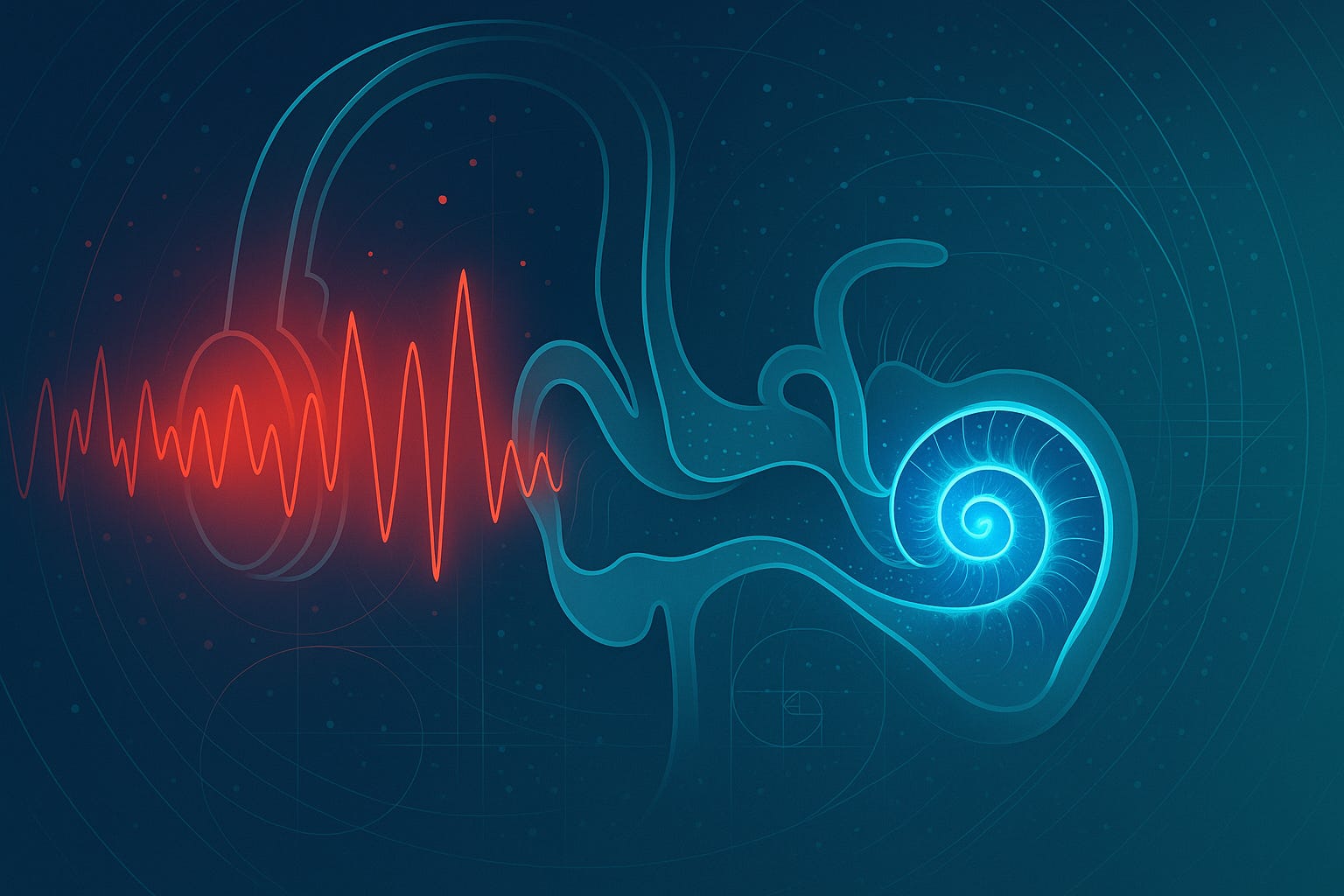
Rising Screen Time Noise Exposure Raises Hidden Hearing Risks in Children
How everyday headphones and prolonged device use contribute to preventable childhood hearing loss
New research and public-health reports suggest that many children are exposed to harmful sound levels through routine screen-time activities, potentially setting the stage for long-term hearing problems and higher cognitive risks later in life. Clinicians and parents may need to adopt practical volume controls, listening limits, and protective habits to safeguard hearing during childhood.
Study Details
Noise-induced hearing loss (NIHL) in children is increasingly recognized as a preventable yet growing public-health concern. Reports from the CDC, WHO, and NIH indicate that today’s children face higher cumulative sound exposure compared to previous generations. This increase is primarily due to personal audio devices, streaming content, gaming, and increased screen use in educational settings.
The World Health Organization estimates that over 1 billion young people globally, aged 12–35, are at risk of hearing loss due to unsafe listening habits. U.S. surveys highlight that children aged 8–18 spend more than 7.5 hours daily engaging with digital screens, often wearing headphones or earbuds. CDC surveillance indicates measurable hearing loss in children can develop long before noticeable symptoms appear, making early detection and prevention vital.
This analysis synthesizes data from multiple respected sources, including the University of Michigan’s National Poll on Children’s Health, WHO safe-listening standards, CDC hearing health surveillance reports, and recommendations by the American Speech-Language-Hearing Association (ASHA). Together, these reports consistently demonstrate that current exposure to digital media audio often surpasses safe listening thresholds for children.
Methodology
Evidence for childhood NIHL has been gathered through diverse approaches, including national health surveys, audiometric testing, parent questionnaires, and school-based assessments. Researchers commonly track daily sound exposure levels, duration of headphone use, and cumulative hours of digital engagement. Audiometric screenings detect early signs of hearing impairment, even at mild levels, by measuring children’s responses to high-frequency sounds.
Environmental assessments further evaluate ambient noise conditions in common childhood environments, including classrooms, playgrounds, cafeterias, and school sporting events. Combined, these methodologies offer robust insights into the sound exposure children face daily and how it may contribute to early-onset hearing loss.
Key Findings
13%–17% of U.S. adolescents already exhibit measurable hearing loss related to noise exposure.
Many personal audio devices marketed as “kid-safe” still generate harmful sound levels (95–110 dB), significantly above safe limits.
The WHO suggests children should maintain listening volumes below 75 dB, but standard earbuds frequently surpass this threshold even at moderate settings.
Approximately two-thirds of parents report their children regularly use headphones, though most underestimate the actual volume their kids are exposed to.
CDC data highlights that almost three in four adolescents experience harmful noise exposure at school for periods exceeding 15 minutes daily.
Even mild hearing loss can negatively impact children’s academic performance, social communication skills, and classroom engagement.
Longitudinal studies suggest untreated hearing impairment might contribute to accelerated brain aging and significantly heightened dementia risk later in adulthood.
Implications for Practice
From a practical standpoint, parents should treat hearing protection as an essential component of childhood health, similar to dental hygiene or sun protection. Physicians and healthcare providers play a crucial role in raising awareness and encouraging preventive strategies. For parents, simple actions can include enforcing the “60-60 rule” (limiting headphone volume to 60% and use to 60 minutes at a time with a minimum 30-minute break afterward), selecting headphones with built-in volume restrictions, and providing ear protection at loud public events.
Healthcare providers should incorporate routine hearing screenings and ask about headphone and screen-time habits during wellness visits. Educational institutions can reinforce these efforts by adopting policies to limit prolonged exposure to harmful noise levels. Early identification and intervention can significantly reduce the risk of irreversible hearing damage.
Given that noise-induced hearing loss is cumulative and irreversible, proactive preventive measures are essential to protect the next generation’s auditory and cognitive health.


