Oral Health Changes Reported With GLP-1 Weight Loss Drugs
Dry mouth, hydration, and dental care considerations for people using GLP-1 weight loss medications
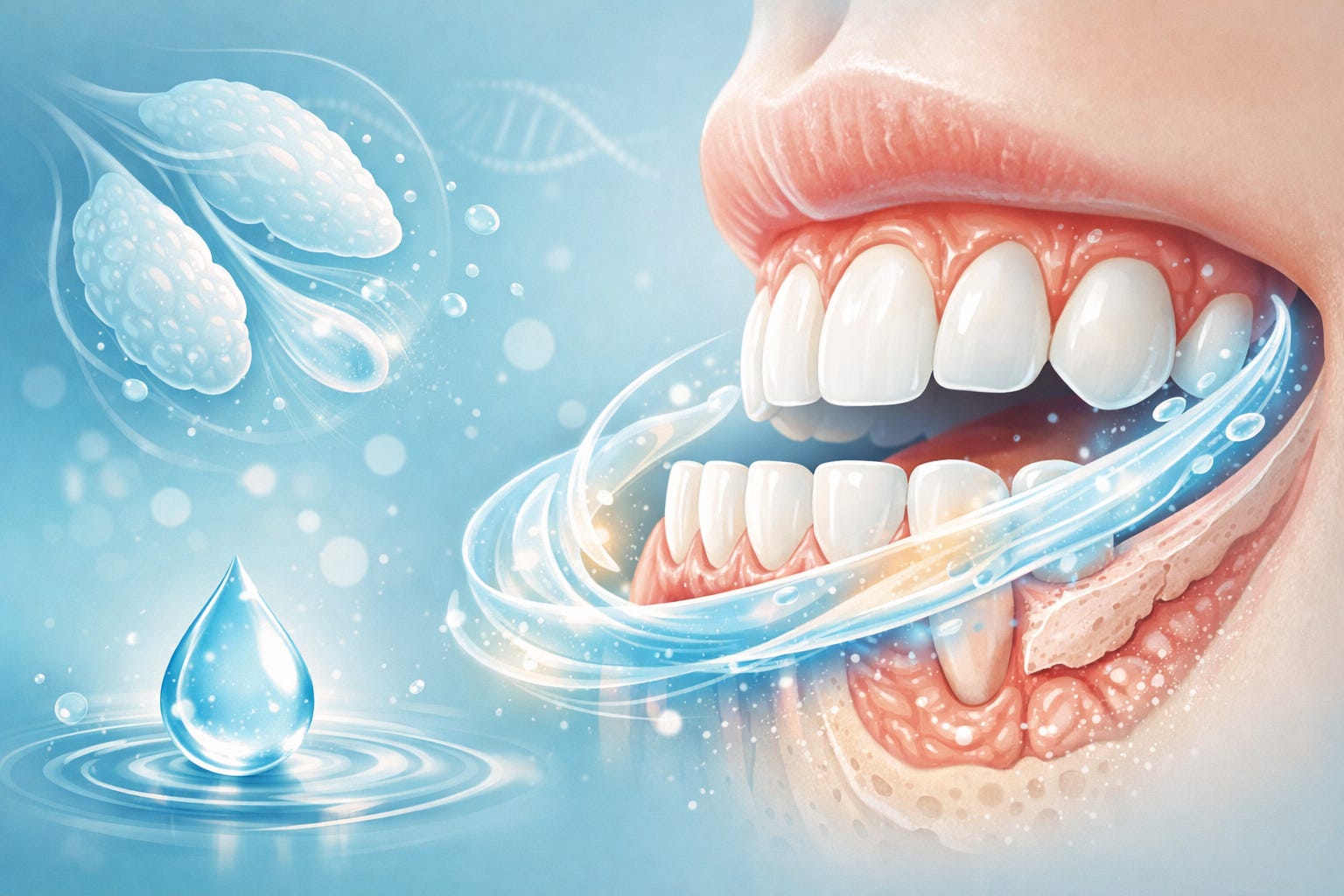
Reports of so-called Ozempic teeth appear to be driven largely by dry mouth and dehydration rather than direct damage to teeth, suggesting that hydration, diet, and routine dental care may reduce oral side effects for many people using GLP-1 agonists.
Study Details
GLP-1 receptor agonists are widely prescribed for obesity and type 2 diabetes and are known to affect appetite, thirst, and gastrointestinal function. Recent media reports have highlighted concerns about oral health issues including gum inflammation, tooth decay, and bad breath in some users.
Clinicians specializing in obesity medicine point to reduced saliva production and dehydration as the most plausible contributors rather than a toxic effect on teeth or gums themselves.
Saliva plays a critical role in protecting teeth by neutralizing acids, washing away bacteria, and supporting enamel integrity. Any sustained reduction can increase the risk of cavities, gingivitis, and halitosis over time.
Methodology
The insights discussed here are based on clinical observation and patient counseling experience from obesity medicine specialists, combined with known physiology of saliva production and hydration. These observations align with established dental research showing that dry mouth, regardless of cause, raises the risk of oral disease.
This is not a randomized trial but a synthesis of real-world patient patterns seen in routine clinical practice.
Key Findings
• GLP-1 agonists may reduce saliva indirectly by altering gastrointestinal secretions and lowering thirst cues
• Many users report dehydration even without classic symptoms of dry mouth
• Reduced saliva can contribute to gum inflammation, cavities, and bad breath
• Vomiting, when present, may expose teeth to acid and worsen oral health risk
• Adequate hydration and regular dental care may help mitigate these effects
Implications for Practice
For patients:
Oral symptoms such as bad breath, gum sensitivity, or a dry feeling in the mouth may signal dehydration rather than dental damage. Drinking water regularly, even without thirst, maintaining a balanced diet, and practicing consistent oral hygiene may help reduce risk. Persistent vomiting or worsening dental symptoms should prompt medical review.
For clinicians:
Counseling on hydration and oral health may be an important but underemphasized part of GLP-1 prescribing. Asking about dental symptoms and reinforcing routine dental visits can help identify issues early. Coordination with dentists is valuable, as medication-related dry mouth is a known risk factor for periodontal disease.
For dentists:
Awareness that a patient is using GLP-1 therapy may help explain changes in saliva, breath, or gum health. This context can guide preventive strategies and patient education rather than attributing findings solely to hygiene or diet.


