Nordic People Say How to Beat the Winter Blues and Find Light in the Darkest Months
Ways to Boost Mood and Well-Being in the Darkest Winter
People living in northern Europe and above the Arctic Circle regularly face months with little daylight and extreme cold.
By embracing lifestyle changes such as light therapy, social connection, positive outlook, and outdoor activity even during the coldest, darkest days Nordic populations show that it is possible to reduce winter blues and maintain mental well-being through simple, actionable habits.
Study Details
Experts from Finland, Norway, and Sweden, along with researchers in the United States, have studied how prolonged darkness and cold in Nordic regions affect mood, sleep, and mental health. Their insights reveal why some people struggle with seasonal affective disorder (SAD) or milder winter blues and what practical steps can make a difference.
Methodology
This summary draws on interviews with leading researchers, population studies on circadian rhythm disruption, randomized controlled trials on light therapy, and community-based observations of Nordic lifestyle adaptations. Findings reflect a mix of clinical evidence and cultural practices, highlighting approaches that are both scientifically validated and widely embraced in Scandinavia.
Key Findings
Circadian Rhythm Support: Lack of daylight disrupts the body’s internal clock, leading to poor sleep and fatigue. Dawn simulators and sunrise alarm clocks help reset this rhythm.
Light Therapy Works: Morning use of light boxes with 10,000 lux brightness for 30 minutes can improve mood and energy in people with SAD and milder winter blues.
Stay Social: Maintaining relationships and regular social contact even if just a coffee walk or a chat can prevent isolation and boost emotional health.
Exercise with a Friend: Group physical activity, indoors or out, helps combat weight gain and increases motivation during dark months.
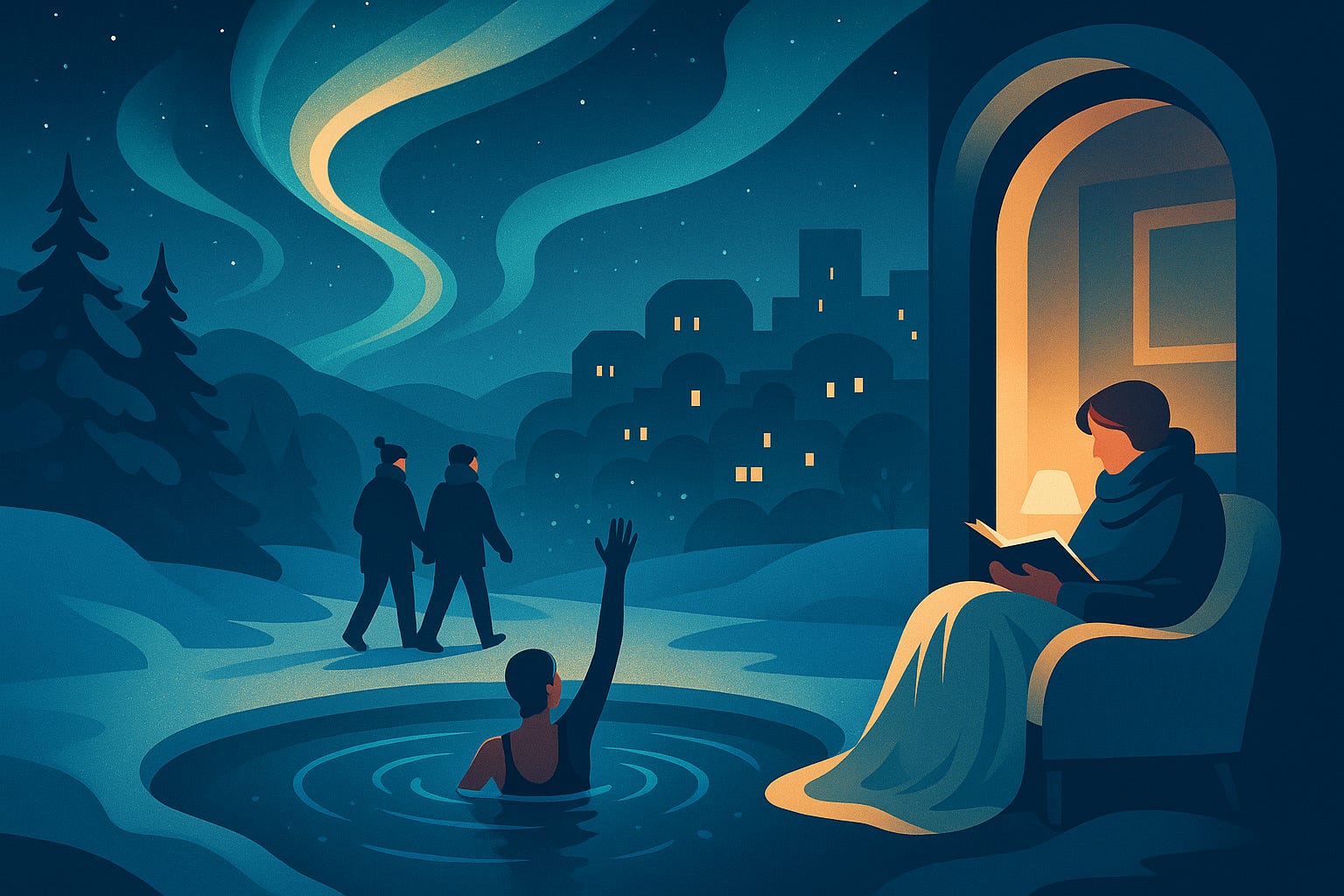
Embrace the Season: A positive mindset, participation in cozy indoor rituals (like hygge), and outdoor traditions (such as cold plunges followed by sauna) support resilience.
Professional Help for Severe Cases: Those with significant depressive symptoms should seek clinical support, which may include medication and supervised therapy.
Implications for Practice
For Individuals:
Simple changes like using a dawn simulator, getting outside daily, staying connected with others, and reframing winter as a season of new activities can help reduce winter blues.
Cozy indoor time and outdoor rituals are equally valuable.
For Healthcare Providers:
Consider recommending light therapy, dawn simulators, and behavioral activation for patients with winter-related mood changes.
Encourage patients to maintain social and physical routines and recognize when more intensive support is needed for clinical depression. Education about the efficacy of light therapy and cultural coping strategies can be powerful in patient care.


