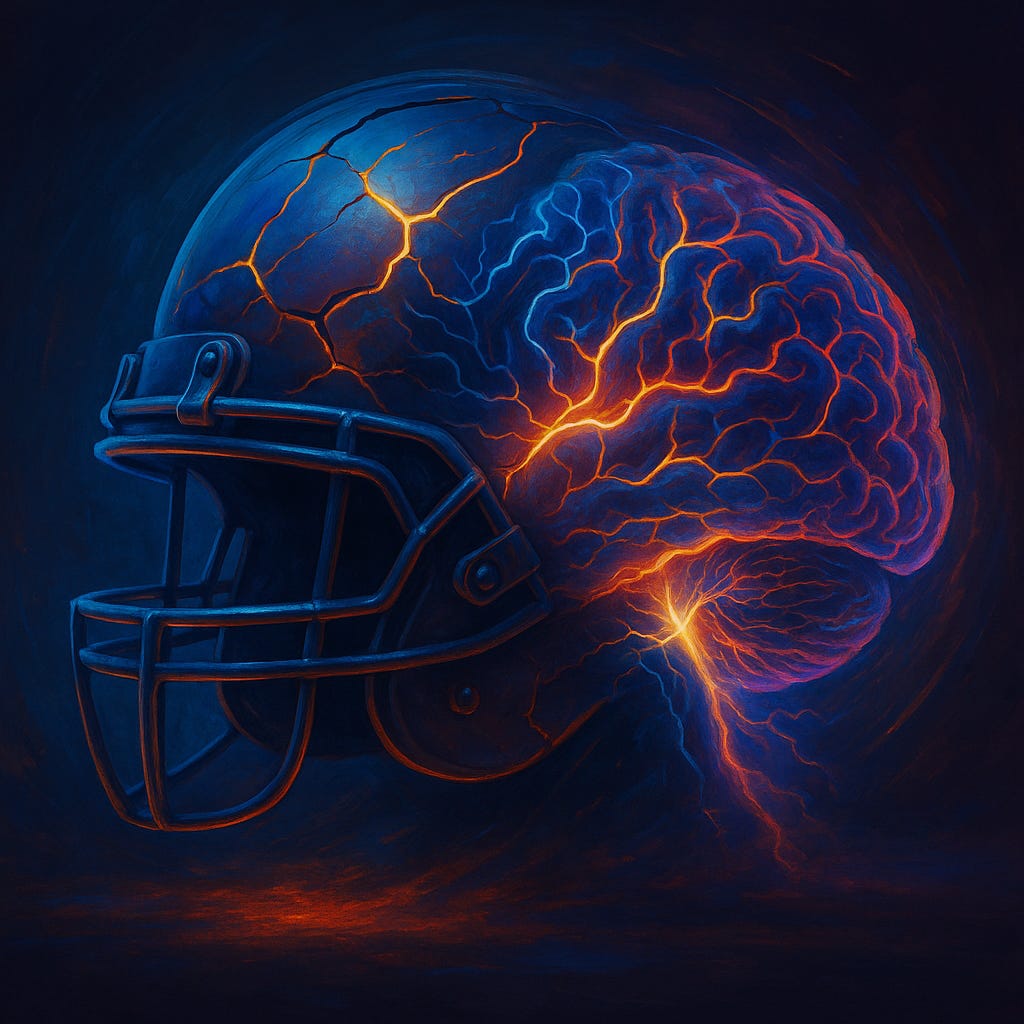
Hidden Dangers of Sports Concussions Affect Athletes of All Ages
Understanding the risks, recognition, and prevention of concussion in sports
Concussions, which account for up to 9% of all sports-related injuries, remain difficult to diagnose but carry both immediate and long-term risks. A new report from the French Academy of Medicine highlights the need for improved recognition tools, medical follow-up, and prevention strategies to protect both professional and recreational athletes.
Study Details
Over the last two decades, concussions have shifted from being viewed as a minor sports injury to a major public health concern. They occur most frequently in contact sports, activities with flying objects (like balls), or those requiring specialized equipment such as hockey sticks. Importantly, concussions do not only affect professional athletes but also women, children, and those engaged in recreational sports.
Methodology
The French Academy of Medicine reviewed existing evidence and clinical guidelines on concussion diagnosis, management, and prevention. Their conclusions build upon established protocols such as the Concussion Recognition Tool 6 for non-medical professionals and SCAT6 (Sport Concussion Assessment Tool) for clinicians. Emerging research is also exploring biomarkers, such as saliva-based tests, to improve accuracy.
Key Findings
Diagnosis is clinical: Symptoms are often subtle, unstable, and non-specific. Warning signs include unconsciousness, seizures, vomiting, double vision, headaches, and neck pain.
Recovery requires caution: Return to sport should be gradual, and only after symptoms fully resolve with cognitive recovery confirmed by a physician.
Telemedicine may help: Networks of concussion specialists could improve follow-up care, especially for athletes outside major urban centers.
Long-term consequences are real: Repeated concussions increase the risk of persistent cognitive decline, Alzheimer’s disease, chronic traumatic encephalopathy, Parkinson’s disease, mood disorders, and possibly ALS.
Prevention is possible: Hard helmets, mouthguards, neck-strengthening exercises, and proper training techniques all reduce risk. Coaches, referees, and medical professionals need ongoing education to identify and manage concussions.
Implications for Practice
For patients and athletes, recognizing that even a single concussion requires medical evaluation is critical. Ignoring symptoms or rushing back to play can have lasting consequences.
For healthcare providers, this report underscores the importance of integrating concussion management protocols, encouraging teleconsultation networks, and educating sports organizations.
For sports officials and coaches, building awareness and implementing preventive training programs may be as important as physical conditioning.
The French Academy of Medicine emphasizes that concussions concern not just elite sports but everyday recreational activities, making this a public health priority.


