Cruciferous Vegetables Linked to Lower Breast Cancer Risk in Long-Term Study
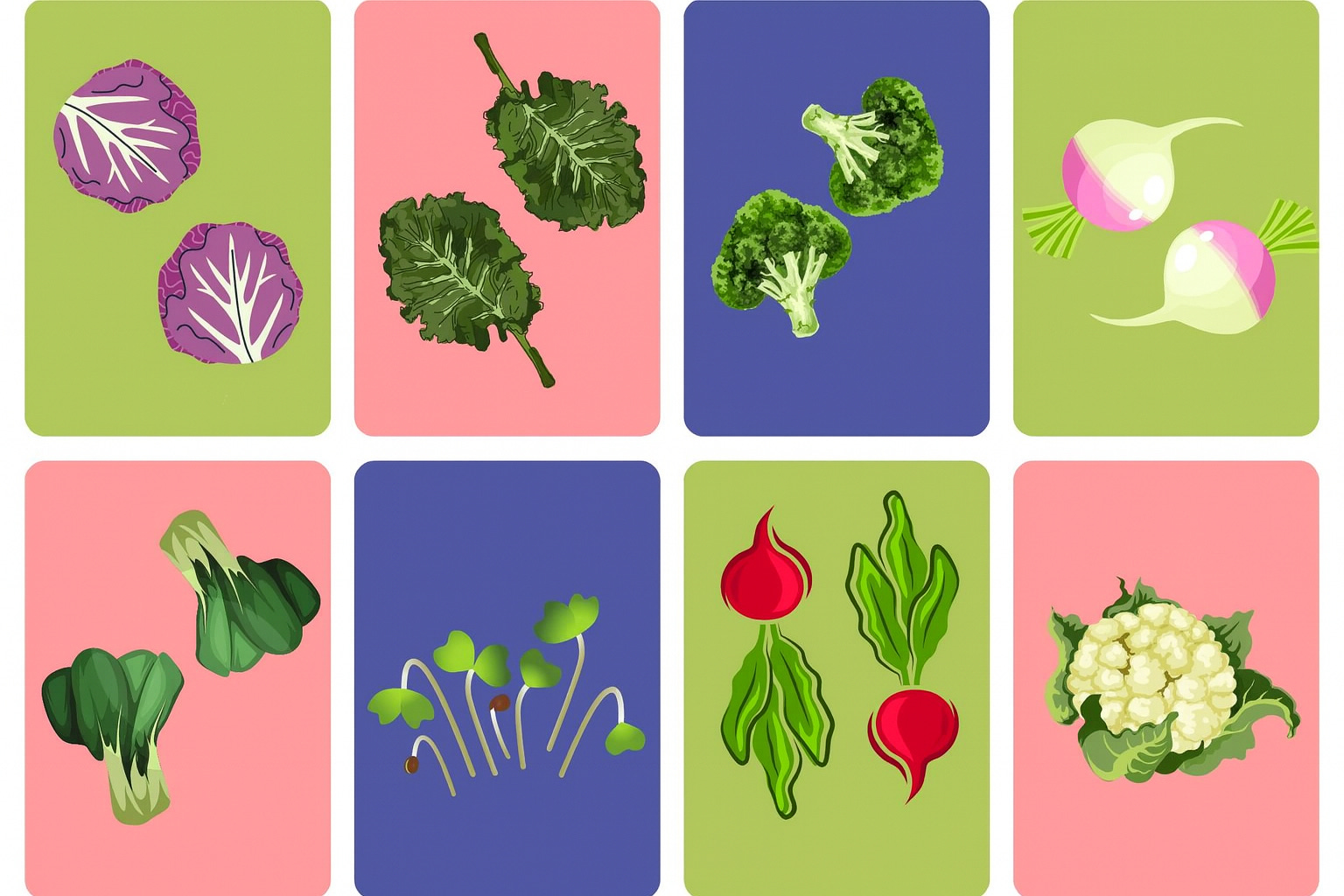
Large cohort data suggest diets rich in broccoli, kale, and cauliflower may be associated with modest reductions in breast cancer risk, including estrogen receptor negative disease.
A 30-year analysis of more than 238,000 women suggests higher intake of cruciferous vegetables and their glucosinolate compounds may be associated with a lower risk of breast cancer, with potentially stronger effects for estrogen receptor negative tumors and for women with higher body mass index.
Study Details
Breast cancer remains one of the most common cancers worldwide, and prevention strategies that are practical and accessible remain a priority. Researchers presented new findings at the San Antonio Breast Cancer Symposium 2025 examining whether long-term intake of cruciferous vegetables is associated with breast cancer risk. These vegetables include commonly consumed foods such as broccoli, cauliflower, kale, and Brussels sprouts, which contain glucosinolate-derived compounds thought to influence cancer-related pathways.
The analysis drew from two large US prospective cohorts, the Nurses’ Health Study and Nurses’ Health Study II, which together provide decades of dietary, lifestyle, and health outcome data.
Methodology
Investigators followed 238,129 women for more than 30 years, tracking dietary intake using validated food frequency questionnaires completed at baseline and updated every four years. Breast cancer diagnoses were identified during follow-up, including classification by estrogen receptor status. Statistical models were used to examine associations between levels of cruciferous vegetable intake and breast cancer risk while accounting for known risk factors such as age, lifestyle, and body mass index.
Key Findings
Women consuming more than five to six servings of cruciferous vegetables per week had a lower overall breast cancer risk compared with those eating fewer than one serving per week.
Higher intake was associated with a lower risk of estrogen receptor negative breast cancer, a subtype that often has fewer treatment options.
The association appeared stronger among women with a body mass index above 25, suggesting body composition may modify the observed relationship.
Similar, though slightly weaker, associations were observed for estrogen receptor positive breast cancer.
Implications for Practice
For individuals, these findings suggest that regularly including cruciferous vegetables as part of a balanced diet may contribute to long-term breast cancer risk reduction. While diet alone cannot prevent cancer, consistent intake of these vegetables is a low-risk, accessible strategy that may complement other preventive measures.
For healthcare providers, the results support incorporating dietary counseling into routine discussions about cancer prevention, particularly for patients interested in evidence-informed lifestyle changes. The observed association with estrogen receptor negative tumors is especially notable, as this subtype has limited preventive and therapeutic options. Clinicians should emphasize that these findings show association rather than causation, and that dietary patterns work best alongside established screening and risk-reduction strategies.


