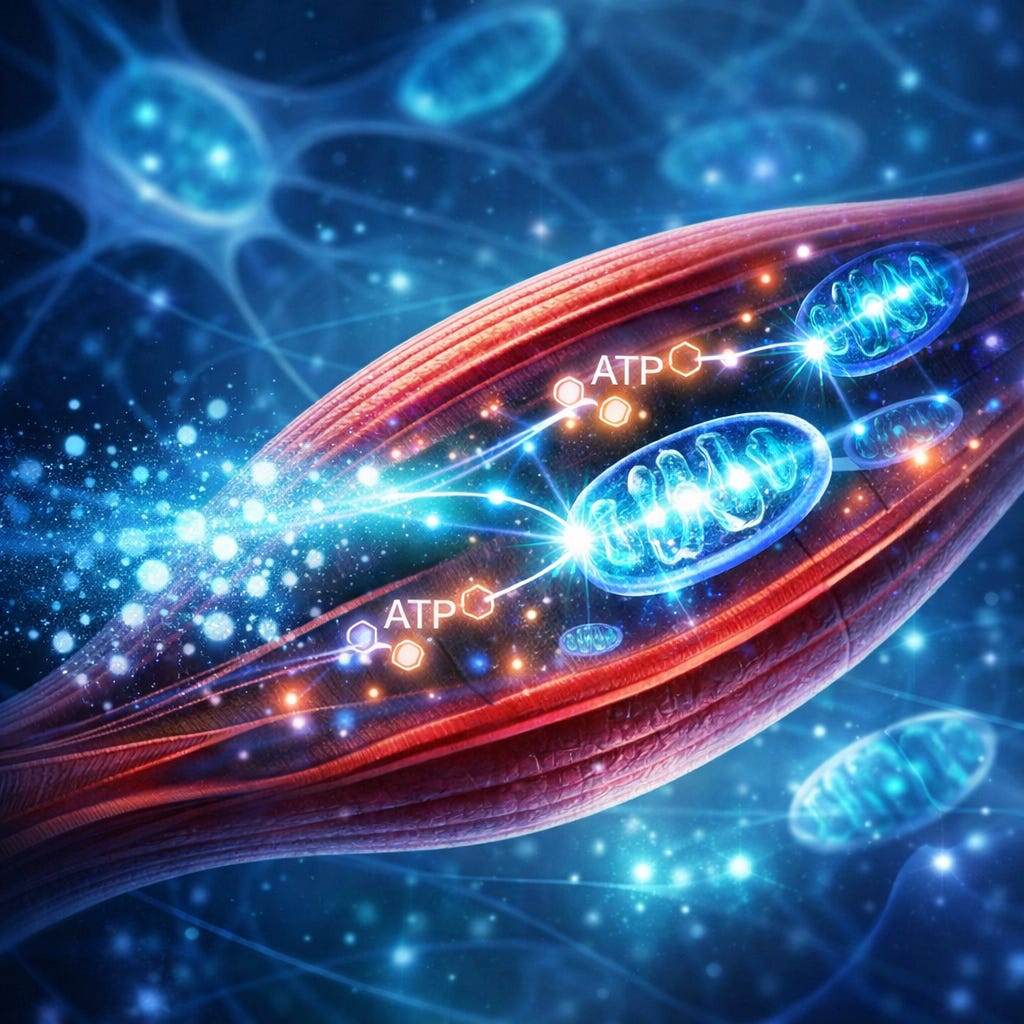
Creatine's Role in Obesity Treatment
What current clinical evidence suggests about creatine supplementation, muscle quality, and metabolic support in obesity care
Topline
Creatine supplementation does not directly cause weight loss, but growing evidence suggests it may support muscle quality, exercise capacity, and metabolic health in people with obesity, particularly when paired with resistance training or weight loss therapies.
Study Details
Obesity is often associated with reduced muscle quality, impaired energy metabolism, fatigue, and lower tolerance for physical activity. These factors can make sustained lifestyle change difficult even when patients are motivated. Creatine monohydrate, long used in athletic settings, is now being explored for broader clinical roles including cognitive health, sarcopenia prevention, and metabolic support.
Recent discussions in obesity medicine have been driven by meta-analyses published in Nutrients in 2021 and 2023, along with clinical observations from surgeons and obesity specialists managing patients undergoing medical or surgical weight loss. Interest has also increased as more patients using GLP-1 receptor agonists experience rapid weight loss with concerns about lean mass preservation.
Methodology
The evidence discussed draws primarily from systematic reviews and meta-analyses of randomized controlled trials evaluating creatine supplementation, often combined with resistance or aerobic exercise. Outcomes assessed included changes in body composition, lean mass, fat mass, muscle strength, and exercise performance. Observational clinical insights from bariatric and obesity-focused clinicians further contextualize how creatine is used in real-world practice.
Key Findings
Creatine supplementation combined with resistance training is associated with small but statistically significant reductions in body fat in adults under 50
Creatine consistently improves lean muscle mass, strength, and exercise performance
Preservation of lean mass during rapid weight loss may support metabolic health and resting energy expenditure
Creatine does not directly drive weight loss but may improve adherence to exercise by reducing fatigue
Available data support a strong safety profile at typical doses of around 5 grams per day with adequate hydration
Implications for Practice
For patients with obesity, creatine may serve as a supportive therapy rather than a primary weight loss intervention. Improved muscle quality and exercise tolerance can make physical activity more achievable, which remains a cornerstone of long-term obesity management. This may be especially relevant for individuals experiencing fatigue, insulin resistance, or reduced functional capacity.
Clinicians managing patients on GLP-1 therapies or after bariatric surgery may consider creatine to help preserve lean mass during periods of rapid weight reduction. Preventing muscle loss is increasingly recognized as critical for maintaining metabolic rate, functional independence, and long-term weight maintenance.
From a patient perspective, creatine represents a low-cost, well-studied supplement that may enhance strength and energy when paired with structured movement and adequate protein intake. Counseling should emphasize hydration, realistic expectations, and coordination with healthcare providers, particularly for those with kidney disease or difficulty maintaining fluid intake.


