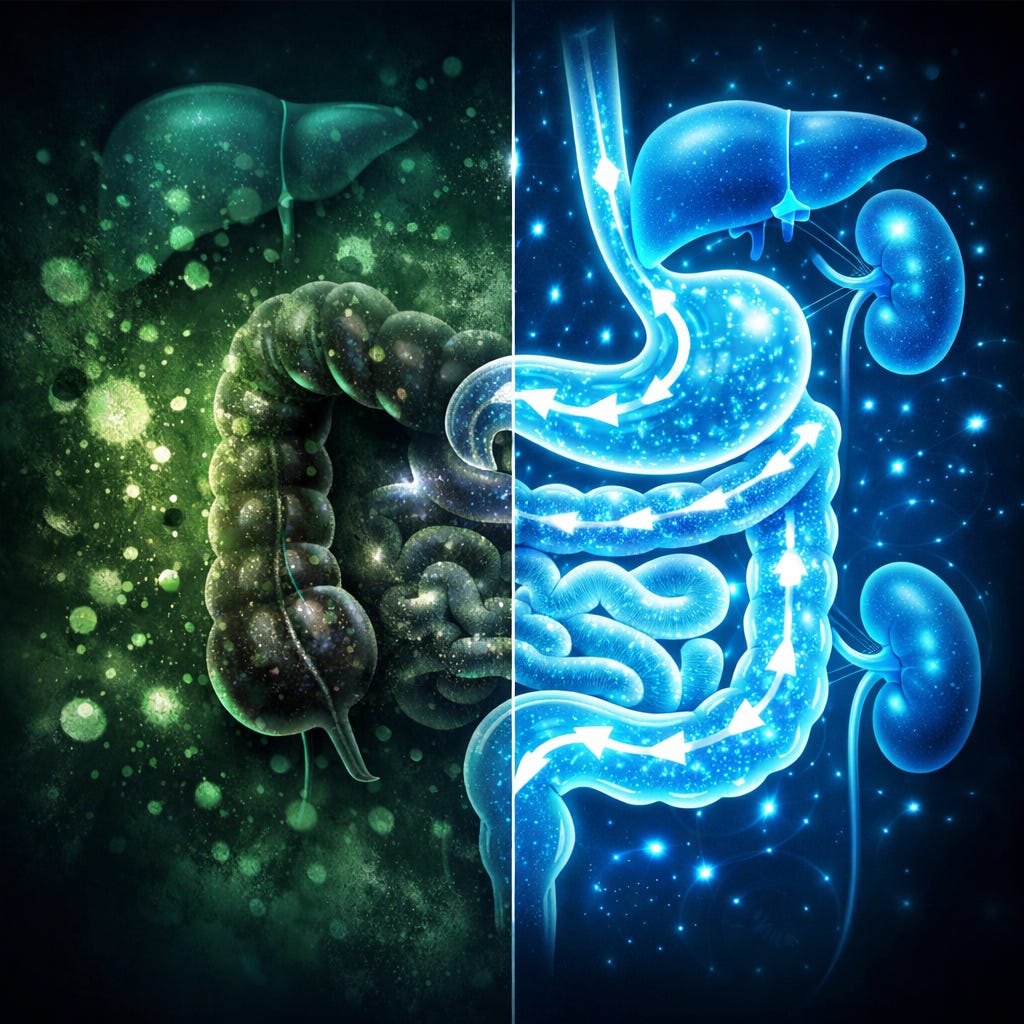
Colon Detox Trends Lack Evidence, Show Real Risks
Evidence shows colon cleansing offers no proven benefit while exposing individuals to real health risks
Colon cleansing and detox regimens may not improve health outcomes and instead could lead to electrolyte imbalance, kidney injury, and cardiovascular complications, suggesting a need to shift toward evidence-based lifestyle strategies.
Study Details
Colon cleansing has gained popularity through wellness trends that promote the idea of removing “toxins” from the body. However, current medical understanding does not support this concept. The body already has highly efficient systems such as the liver, kidneys, and lungs that handle detoxification.
The reviewed evidence highlights that stool is not a buildup of harmful toxins but a normal byproduct of digestion. Despite widespread claims, there is no consistent clinical evidence that colon cleansing improves metabolic health, gut function, or long-term outcomes.
Methodology
The findings are based on a review of existing clinical data, case reports, and systematic analyses evaluating detox and colon cleansing practices.
Researchers examined:
Reported benefits from detox regimens
Physiological plausibility of toxin removal
Documented adverse effects associated with commonly used laxatives
This approach allows both clinicians and general readers to understand the gap between perceived benefits and actual clinical evidence.
Key Findings
Colon cleansing lacks biological plausibility for removing toxins
No evidence shows improvement in major health outcomes such as mortality or metabolic health
Reported benefits like feeling “lighter” are likely due to lifestyle changes, not detox effects
Laxative-based cleanses can cause electrolyte imbalances, including sodium and potassium disturbances
Serious risks include kidney injury, cardiac arrhythmias, and dehydration
Certain formulations, especially sodium phosphate, are linked to long-term kidney damage
Implications for Practice
For patients, the desire to “reset” health is understandable, but colon cleansing is not a safe or effective solution. The perceived short-term improvements may come from concurrent changes like better diet, hydration, or reduced alcohol intake rather than the cleanse itself.
For healthcare providers, this presents an opportunity to redirect patients toward evidence-based interventions. Instead of dismissing patient concerns, clinicians can reframe the conversation around sustainable health improvements.
Key shifts in approach include:
Focus on physiology: Reinforce that the body already detoxifies efficiently without external interventions
Address underlying intent: Patients seeking detox often want better energy, digestion, or weight control
Promote safer alternatives: High-fiber diets, hydration, physical activity, and sleep optimization
Use caution in at-risk groups: Older adults and patients with kidney or heart conditions face higher risks from laxatives
Overall, the clinical takeaway is clear. Colon cleansing may introduce harm without delivering measurable benefit, making lifestyle-based interventions the preferred strategy.